
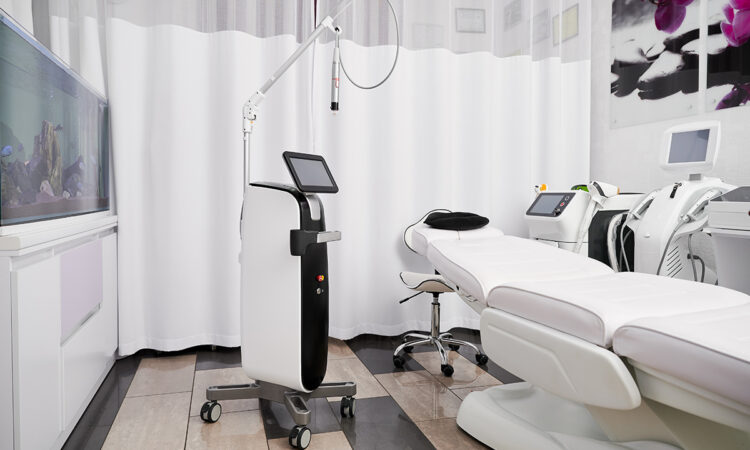
Many aesthetic clinics use advanced equipment every day, from laser and IPL to RF, ultrasound, LED and other energy-based technologies. But as the regulatory landscape becomes more complex, it is no longer enough to simply ask whether a device looks professional or comes from a known supplier.
For UK clinics, the key question is broader: can you show that the device is appropriate, traceable, safely used and properly documented in your day-to-day clinic workflow?
This article is not legal advice, but a practical guide for clinics that want better structure around equipment, treatment records and patient safety.
MDR, UKCA and CE: what does it mean for UK clinics?
In the UK, medical devices are regulated by the MHRA. For Great Britain, UKCA marking is the UK product marking used for certain goods, including medical devices, placed on the market in England, Wales and Scotland. CE-marked medical devices may still be placed on the Great Britain market during transitional periods, depending on the type of device and the legislation it complies with.
For clinics, this means you should understand what regulatory route applies to the equipment you use. Is the device UKCA marked, CE marked, or both? What is its intended use? Is it being used exactly as described by the manufacturer? Do you have the right instructions, service information and safety documentation available?
The mark on the device is important, but it does not replace the clinic’s responsibility to use it safely and consistently.
CQC registration: not all aesthetic treatments are treated the same
In England, the Care Quality Commission regulates certain cosmetic treatments carried out by healthcare professionals, especially those involving surgical procedures or equipment inserted into the body. CQC gives examples such as cosmetic surgery, liposuction including laser lipolysis, refractive eye surgery and thread lifting.
However, CQC does not regulate every cosmetic treatment. It states that treatments such as laser and IPL for hair removal or skin rejuvenation are not regulated by CQC when they are purely cosmetic. GOV.UK also explains that practitioners using IPL or lasers for exclusively cosmetic purposes do not have to register with CQC, although some local councils in England may require practitioners to register with them.
This makes it important for clinics to check both national and local requirements. A clinic may not need CQC registration for a specific cosmetic laser treatment, but it may still need local authority registration, suitable insurance, documented procedures and clear safety routines.
Laser and IPL safety: local rules matter
For clinics using laser, IPL or other optical radiation equipment, safety documentation is not just an internal admin task. HSE states that the Control of Artificial Optical Radiation at Work Regulations are designed to protect workers from risks linked to hazardous artificial optical radiation.
MHRA guidance on lasers, intense light source systems and LEDs also highlights the importance of local rules. These should be specific to each optical radiation device and clinical application, and should support the day-to-day safety management of lasers, IPL systems and LEDs. The guidance also says staff involved with optical radiation equipment should read and understand the local rules.
For clinics, this means having clear procedures for who is allowed to use the equipment, what training is required, how the treatment room is controlled, how protective eyewear is managed, and how risks are reviewed when equipment or procedures change.
What should a clinic document?
A good treatment record should help the clinic understand what was done, why it was done and how the patient responded.
For treatments involving regulated or energy-based equipment, clinics should consider documenting the device used, treatment area, settings or parameters, practitioner, date, patient assessment, contraindications, consent, pre- and post-treatment images, aftercare advice, reactions, complications and follow-up.
This is not only useful if something goes wrong. It also helps the clinic deliver more consistent treatments, train new team members and maintain a professional standard across the business.
If an incident involves a medical device, MHRA’s Yellow Card scheme is used to report adverse incidents in England, Wales and Northern Ireland, while Scotland has separate reporting arrangements unless the clinic is a private facility providing care to private clients.
Patient data also needs the right protection
Treatment notes, images, consent forms and health-related information can all involve sensitive personal data. The ICO explains that special category data needs greater protection, and organisations must identify both a lawful basis under Article 6 of UK GDPR and a separate condition under Article 9 when processing it.
For clinics, this means patient documentation should not be scattered across phones, inboxes, paper forms and shared folders. It should be stored securely, accessed appropriately and handled in a way that supports both patient care and data protection.
Regulation is changing
The UK government has also confirmed plans to strengthen the regulation of non-surgical cosmetic procedures in England. The government’s response notes that the current landscape is fragmented and does not offer a robust system to protect the public from harm. Further measures will be subject to consultation and Parliamentary scrutiny before being introduced.
For clinics, the direction is clear: better records, clearer safety routines, stronger evidence of training and more structured patient information will become increasingly important.
Read more about the changes here!
A clinic system can make this easier
The challenge for many clinics is not understanding that documentation matters. The challenge is making it part of everyday work without adding unnecessary admin.
MERIDIQ helps clinics keep patient records, consent forms, treatment images, bookings and treatment history in one structured system. For clinics using medical device equipment or advanced aesthetic technology, this can make it easier to work consistently, follow up properly and keep important information available when needed.
Good documentation does not have to make clinic life harder. With the right structure, it can make the clinic safer, more professional and easier to run.
Want better structure around your clinic documentation?
MERIDIQ is built for modern aesthetic and private healthcare clinics that want less admin and better control over bookings, patient records, consent, images and treatment history.
Book a demo and see how MERIDIQ can support a more structured clinic workflow.
Stay up to date with MERIDIQ’s guides for aesthetic clinics – add MERIDIQ as a preferred source on Google.
Read more about laws & regulations

Why booking density isn’t the same as clinic capacity
A full diary isn’t the same as clinic capacity. How pre-consultation triage moves clinical intake before the appointment, and why it matters as UK aesthetics regulation tightens.

Booking marketplaces and what it really costs an aesthetic clinic
Marketplace commission is a one-off fee on a new patient’s first booking. Here is how to measure what it costs your aesthetic clinic, and how to earn it back through repeat visits.