
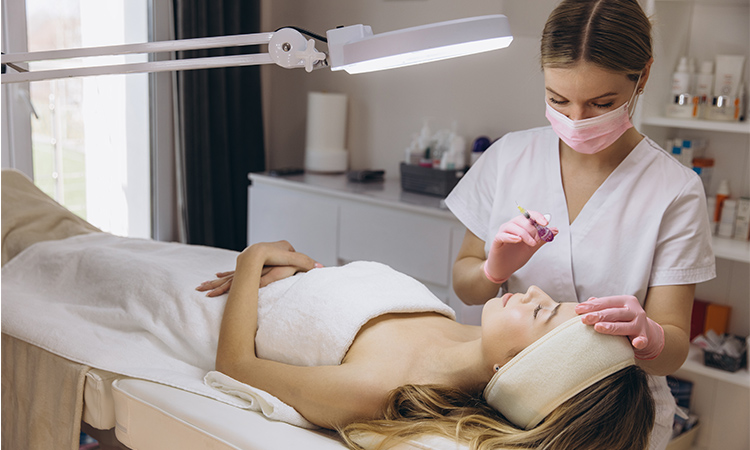
Botulinum toxin is a prescription-only medicine. Dermal filler is injected into living tissue. And the UK government has said it wants Botox and fillers brought under a licensing scheme, with the highest-risk procedures limited to qualified healthcare professionals in CQC-registered settings. Yet many small aesthetic clinics still run on booking software built for hair and nail salons. That works for filling a calendar. It stops working the moment someone needs the clinical story behind an appointment.
Aesthetics is medical work, and the records should show it
Dr Rachel Fidino, a US doctor of nursing practice who founded New U Women’s Clinic & Aesthetics, is speaking at the Global Aesthetics Conference in Miami in November 2026. Her argument is simple: aesthetics is sometimes treated as if it sits apart from medicine, “but these are medical procedures that require appropriate evaluation, clinical judgment, training, protocols and oversight.”
She is talking about the US market, but UK policy points the same way. When the Department of Health and Social Care announced its crackdown on unsafe cosmetic procedures in August 2025, the message was that injectables are clinical work and should be regulated as such. We cover where that process stands in our guide to UK aesthetic clinic regulations in 2026.
Every step Fidino lists – evaluation, judgment, protocols, oversight – leaves a trail in the patient record, or it should. That is the part a salon booking tool was never designed to hold.
What a salon booking tool can’t see
Fidino built her clinic around one observation: “Women do not experience their health in isolated categories.” Hormonal changes, she says, can affect skin quality, muscle mass and confidence. Weight loss can create new concerns around facial volume and skin laxity.
For a UK injector or skin clinic, that turns into everyday questions before a treatment:
- A returning toxin patient responded differently last time. Has anything changed in their health or medication?
- A filler patient has lost a lot of weight since their last visit. What product, volume and areas did you use before?
- A new patient mentions a medical history that could be a contraindication. Where is that recorded, and who has seen it?
A salon booking system shows “Anti-wrinkle, 3rd visit”. A clinical record shows the medical history, the signed consent, the product and batch used, the dose and treatment areas, the before-and-after photos and the practitioner’s notes. Only the second one lets a colleague, a prescriber or you six months from now pick up the file and treat safely.
What UK clinics are already expected to document
Licensing is not in force yet, but record-keeping duties already apply to many aesthetic practitioners today.
- Nurses and nurse prescribers. Section 10 of the NMC Code requires clear and accurate records: completed at the time or as soon as possible after, attributed to the person who made them, dated and timed, kept securely, and including any risks identified and the steps taken.
- Prescribing for toxin. Because botulinum toxin is prescription-only, the prescriber needs an assessment and treatment record they can actually review – not a note in a booking comment field.
- Health data under UK GDPR. Medical history, treatment notes and clinical photos are health data, which means stricter requirements on security and access control.
- Licensing ahead. The government’s proposals include training, insurance and infection-control standards for licensed practitioners. The details are still subject to consultation and no start date has been confirmed, but clinics that already keep complete records will have far less to fix.
Visible standards matter commercially too. Our article on what UK aesthetic patients trust shows that many patients lean on social media and reviews rather than safety checks – so clinics that can prove their standards have an edge.
Salon software vs clinic software: what to check
Use this list to test your current setup or any system you are considering. If the answer to several points is “no” or “it’s in a separate folder”, you are running clinical work on salon tools.
- Medical history and contraindications are recorded per patient and reviewed at each visit.
- Consent is collected digitally for each treatment and stored against the patient, not in a paper folder.
- Treatment notes capture product, batch, dose, areas and technique in a structured template.
- Before-and-after photos are stored in the patient record, not on a practitioner’s phone.
- Every entry is attributed to a named user, dated and timed, with role-based access.
- Online bookings connect to the patient record, so each appointment opens the right file.
- A prescriber or auditor can be given access to review records without workarounds.
For a fuller list, see what to include in your patient records as a practitioner and our guide on how to choose a patient record software.
Five steps to close the gap this quarter
- Audit five recent patient files. Could another practitioner treat safely from what is recorded? Note what is missing.
- Map where information lives today. Booking app, paper consent, WhatsApp threads, phone camera roll. Each separate place is a gap.
- Fix the highest-risk treatments first. Toxin and filler records should be complete before anything else.
- Agree how your prescriber reviews records. Document the process, not just the relationship.
- Move to a clinical system before licensing lands. Switching under deadline pressure is harder than switching now.
FAQ
Can I use salon booking software for an aesthetic clinic?
For scheduling, yes. But salon tools are not built to hold medical history, treatment-specific consent, batch numbers or clinical notes. If you inject toxin or filler, those records need to live in a system designed for clinical documentation, ideally one connected to your bookings.
What records does an aesthetic nurse need to keep in the UK?
Under the NMC Code, nurses must keep clear, accurate, attributed, dated and timed records, completed at the time or as soon as possible after, and stored securely. In practice that covers assessment, medical history, consent, product and batch, dose and areas, aftercare and follow-up.
Do UK aesthetic clinics need to be CQC registered?
It depends on what you do. Many purely cosmetic toxin and filler services are not currently CQC-registered, while treatments for medical conditions and some invasive procedures are. The government plans to restrict the highest-risk procedures to CQC-registered settings. Check CQC’s own guidance for your services.
What is the difference between salon software and aesthetic clinic software?
Salon software manages appointments and payments. Aesthetic clinic software adds the clinical layer: patient records, medical history, digital consent, treatment notes, photos and access control, connected to the booking so the record follows the patient.
How MERIDIQ fits
MERIDIQ is aesthetic clinic software that brings patient records, online booking and point of sale into one platform. Bookings land in the patient’s record, consent forms are signed digitally, and treatment notes and photos sit in the same file. Automated SMS and email reminders reduce no-shows, and access is role-based so the right people see the right records. If you work as a nurse injector, our guide to choosing aesthetic nurse software goes deeper on documentation.
Start your free 14-day trial or book a demo to see records, booking and consent working in one clinical flow.
Sources
- 1851 Franchise (sponsored content): Dr. Rachel Fidino of New U Women’s Clinic & Aesthetics to speak at Global Aesthetics Conference (8 October 2026)
- Department of Health and Social Care (gov.uk): Crackdown on unsafe cosmetic procedures to protect the public (6 August 2025)
- Nursing and Midwifery Council: The Code: Professional standards of practice and behaviour for nurses, midwives and nursing associates (current version, accessed 15 October 2026)
Read more about aesthetic trends

Social Media vs Safety: What UK Aesthetic Patients Trust, and How Clinics Can Prove Their Standards
New PSA research shows UK aesthetic patients trust Instagram and five-star reviews over safety checks. Here is how clinics can make their standards visible and prepare for licensing.

UK Aesthetic Clinic Regulations 2026: What Clinics Should Prepare For Now
The UK aesthetics industry is moving into a more regulated era. For years, many non-surgical cosmetic treatments have sat in